
Health and Wellness
Tips for a happy, healthy summer
June 25, 2026
3 min read
Summer is a great time to get outside, stay active and enjoy more time with family and friends. From backyard cookouts and pool days to road trips and outdoor exercise, the season offers plenty of ways to make healthy memories. But with all that summer has to offer also comes the need to take a few extra precautions to protect your health and well-being.
Stay safe during extreme heat
Hot summer days can be more than uncomfortable — they can be dangerous. Older adults, infants, young children, pregnant people, people with chronic medical conditions and those who work or exercise outdoors may be at higher risk for heat-related illness.
On especially hot or humid days, try to schedule outdoor activities for the morning or evening. Wear lightweight and loose-fitting clothing and spend time in air-conditioned spaces when possible. It’s also important to never leave children or pets in a parked car, even for a short time.
Checking in on older relatives, neighbors and others who may be vulnerable during a heat wave is another simple way to help keep your community safe.
Warmer weather can increase your risk of dehydration, especially if you are spending time outside, exercising or working in the heat. Try to drink water regularly throughout the day rather than waiting until you feel thirsty. If you are active outdoors, take extra water breaks and pay attention to how your body feels.
Be smart about outdoor activity and water safety
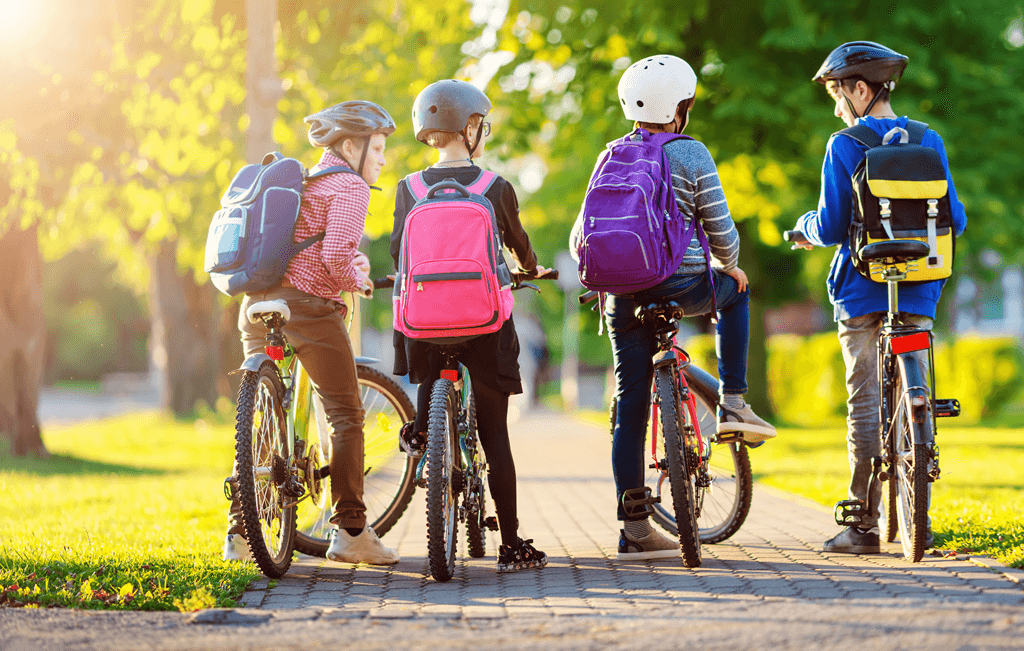
Summer is a great time to walk, bike, swim or exercise outdoors, but it’s important to adjust your routine when temperatures rise. Consider lowering the intensity of your workout, taking more breaks or moving activity indoors on very hot days. Listening to your body can help prevent heat-related illness and make summer exercise safer and more enjoyable.
Pools, lakes and other water activities are a fun part of summer, but safety should always come first. Supervise children closely around water, use life jackets when appropriate and avoid swimming alone. Water safety habits can help prevent injuries and make every outing safer for everyone involved.
Spending time outdoors also means protecting your skin from harmful ultraviolet, or UV, rays. Use sunscreen as directed, wear protective clothing and seek shade when possible, especially during midday hours. Taking simple steps to reduce sun exposure can help lower your risk of sunburn and long-term skin damage.
Watch for signs of heat-related illness
Ear warning signs of heat-related illness include heavy sweating, weakness, dizziness, headache, nausea, muscle cramps or fainting. Older adults and children may be especially vulnerable during heat waves, so it’s important to check on them often.
Heat stroke is more serious and may cause confusion, a high body temperature, hot red skin or loss of consciousness. Heat stroke is a medical emergency, and anyone showing signs should receive immediate medical attention by calling 911.
Wearing sunscreen with SPF 30 or higher, staying hydrated, avoiding direct sunlight when possible and taking breaks in the shade or indoors can all help reduce heat-related risks.
A healthy summer is about balance — enjoying the season while taking steps to protect yourself and those around you. By staying hydrated, preparing for extreme heat, protecting your skin and making thoughtful choices outdoors, you can help make the most of the months ahead.